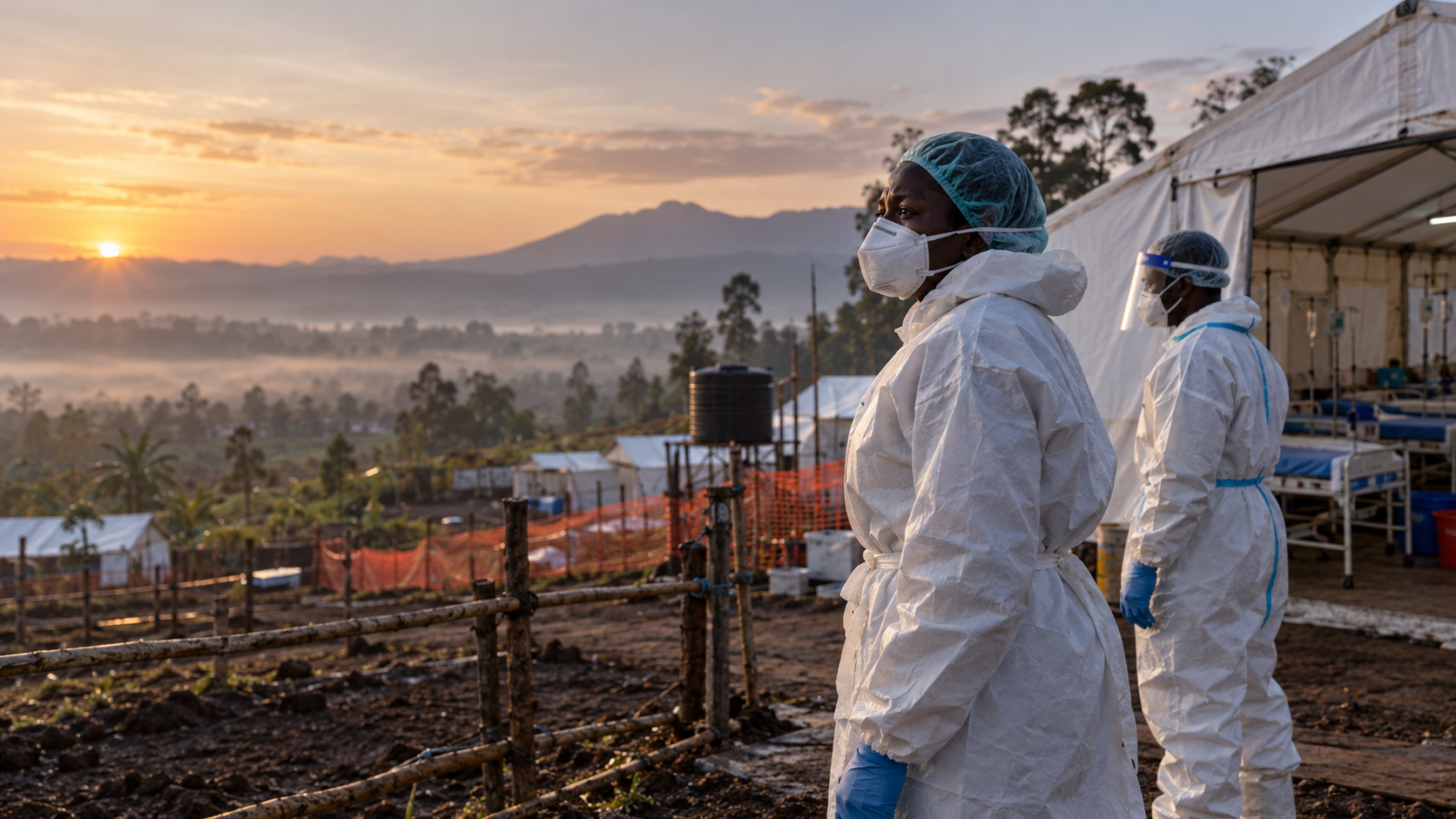
Bird Flu Reaches 27 Washington Dairy Herds
Bird Flu Reaches 27 Washington Dairy Herds
Highly pathogenic avian influenza, commonly called H5N1 bird flu, has spread among dairy cattle in Washington. Reported affected herds rose to 27 farms within one week, and the outbreak reached a second county. A separate detection at a Tri-Cities-area dairy prompted officials to declare the farm’s raw milk unsafe.
The reports describe an animal-health outbreak, not evidence of widespread human transmission. Case counts, affected counties, farm classifications, and raw milk restrictions may change as testing continues. The figure of 27 may refer to confirmed premises or herds rather than the total number of infected cattle.
What Is Happening in Washington?
H5N1 Has Been Detected in Dairy Cattle
Highly pathogenic avian influenza primarily circulates among birds, but some strains, including H5N1, can infect mammals after exposure to infected animals, contaminated environments, or other materials.
The Washington outbreak is significant because it involves dairy cattle rather than only poultry or wild birds. Dairy operations involve frequent contact among cattle, workers, veterinarians, equipment, vehicles, and milk-handling systems. Testing, movement controls, and farm biosecurity are therefore central to the response.
The term “bird flu” remains common even when the virus is detected in mammals. It describes the virus’s broader epidemiology, not the species currently showing infection.
Reported Cases Rose to 27 Farms
An AGDAILY report stated that Washington dairy bird flu cases tripled to 27 farms within one week. Another report described H5N1 as spreading to 27 Washington dairy farms. Source 5
A rapid increase may require:
- More testing and monitoring
- Tracing of animal, equipment, and vehicle movements
- Stronger separation and sanitation procedures
- Additional laboratory and field resources
A farm-level count is not the same as an animal-level count. Before publication, the figure should be matched with its date and official case definition.
The Outbreak Reached a Second County
Capital Press reported that bird flu among Washington dairy cattle had reached a second county. Source 3
Geographic expansion can affect surveillance priorities and animal-movement investigations. It does not automatically mean that the virus is spreading throughout nearby communities or among people.
Investigators may examine:
- Cattle moved between farms
- Shared equipment and machinery
- Worker and veterinary traffic
- Milk-collection routes
- Vehicles entering or leaving premises
- Contact with wild birds, poultry, or contaminated environments
The available reports do not establish a confirmed transmission route.
Tri-Cities Dairy Detection and Raw Milk Safety
A report stated that bird flu was detected for the first time at a dairy in the Tri-Cities area. Officials then declared the farm’s raw milk unsafe. Source 7
The finding expands the known geographic footprint and may lead to additional testing, regulatory review, and tracing of milk distribution or animal movements. It does not mean that every dairy in the Tri-Cities area is affected.
Raw milk has not undergone pasteurization. Pasteurization uses controlled heat treatment to reduce harmful pathogens and remains a key food-safety measure.
Consumers should:
- Avoid raw milk from an affected or restricted dairy.
- Follow current recalls, stop-sale orders, and disposal instructions.
- Choose pasteurized milk and dairy products.
- Check current notices from Washington agriculture and public health officials.
- Avoid tasting questionable milk to test its safety.
The available reports do not support a blanket warning against all commercially sold milk in Washington. Consumers should distinguish between products from an affected or restricted farm and pasteurized products distributed through regulated channels.
Why Dairy Cattle Infections Matter
Cattle May Show Variable Symptoms
Infected dairy cattle may show reduced milk production, changes in milk appearance, reduced appetite, fever, lethargy, or other signs identified by veterinarians. Symptoms may vary and may not always be obvious.
Signs alone cannot confirm H5N1. Veterinary authorities rely on laboratory testing and epidemiological information to determine whether a herd or premises is affected.
Dairy Operations Create Repeated Exposure Opportunities
Dairy farms involve repeated contact among animals, workers, milking equipment, veterinarians, transport vehicles, feed systems, and other supplies. If the virus is present, these connections can complicate efforts to identify how it moved between animals or premises.
Biosecurity measures may include limiting visitors, disinfecting equipment, controlling vehicle access, separating sick cattle, using protective clothing, and monitoring milk production and animal behavior.
These conditions increase the importance of precautions but do not prove that H5N1 spreads easily between people.
Wildlife May Be Investigated
Avian influenza can circulate among wild birds and poultry. Investigators may consider wildlife exposure when studying how the virus reached livestock. However, the available reports do not establish that wild birds caused the Washington detections. Cattle movements, contaminated equipment, personnel, vehicles, and other pathways also require examination.
Risk to People
People who have direct contact with infected cattle or contaminated environments may face greater exposure risk. This group may include dairy workers, farm owners and managers, veterinarians, animal-health inspectors, transport workers, cleanup personnel, laboratory staff, and response workers.
Possible symptoms after exposure can include eye redness or irritation, fever, fatigue, respiratory symptoms, or other flu-like illness. These symptoms do not diagnose H5N1. Anyone with a known exposure should contact a healthcare provider or local public health department for guidance.
The public should avoid contact with sick or dead animals and should not handle potentially infected wildlife without instructions from wildlife, agriculture, or public health authorities.
An increase in infected dairy farms does not, by itself, demonstrate sustained human-to-human transmission. Animal outbreak statistics and human case statistics must be assessed separately.
How Officials May Respond
Washington and federal authorities may:
- Test symptomatic cattle and connected herds
- Monitor nearby farms and exposed workers
- Test milk and environmental samples
- Restrict movement from affected premises
- Trace cattle, equipment, vehicles, and personnel
- Coordinate with veterinarians, laboratories, and public health agencies
General farm biosecurity practices may include limiting nonessential visitors, disinfecting equipment and vehicles, separating sick cattle, controlling movement, using dedicated protective clothing and footwear, and preventing contact among cattle, poultry, and wild birds where possible.
The available reports do not confirm depopulation, culling, or other irreversible measures. Such actions should not be reported without a specific official statement.
What the Number 27 Does—and Does Not—Show
The reported total of 27 farms should not be treated as 27 infected cows or as the total number of affected animals. Terms such as “premises,” “herds,” and “farms” may describe different reporting categories.
Every case count should include:
- The date of the count
- The agency or publication reporting it
- The official definition of the category
- Whether the figure represents confirmed or suspected detections
A rising count can reflect both new transmission and expanded testing. The supplied reports do not provide a complete timeline, official case table, publication dates, or direct state agency documentation. Current Washington agriculture, Washington health, and federal animal-health updates should be checked before publication.
Guidance for Farmers and Dairy Workers
Farm operators should monitor milk production, feed intake, behavior, and other unusual signs. Suspected infections should be reported through the appropriate veterinary or agriculture channels.
Accurate records of animal movements, visitors, vehicles, equipment, and milk handling can help investigators trace possible transmission routes.
Recommended precautions may include:
- Restricting nonessential visitors
- Using dedicated clothing and footwear
- Cleaning and disinfecting equipment and vehicles
- Separating new, sick, or exposed animals as directed
- Limiting contact among dairy cattle, poultry, wild birds, and other livestock
- Following veterinary instructions for testing and movement
Employers should provide appropriate personal protective equipment and train workers on exposure risks, hygiene, cleaning procedures, and symptom reporting.
What Happens Next?
Additional surveillance may identify more affected farms. Investigators may examine cattle movements, shared labor, equipment, vehicles, milk-collection routes, farm-to-farm contacts, and wildlife exposure. The available reports do not establish one confirmed transmission route.
Public health guidance may change as laboratory results become available. Consumers and workers should rely on current official notices rather than older social media posts or unsourced claims.
The practical advice remains consistent: choose pasteurized dairy products, avoid raw milk from affected or restricted farms, avoid contact with sick or dead animals, and seek medical advice after a known high-risk exposure.
Frequently Asked Questions
How many Washington dairy farms have reported bird flu?
The supplied AGDAILY summary states that bird flu cases among Washington dairy herds rose to 27 within one week. The date and official definition should be confirmed because outbreak totals can change. Source 5
Has bird flu spread to more than one Washington county?
Yes. Capital Press reported that bird flu among dairy cattle reached a second Washington county. The specific counties and current boundaries require confirmation through state agriculture updates. Source 3
Was bird flu detected in the Tri-Cities area?
Yes. The supplied report states that bird flu was detected for the first time at a dairy in the Tri-Cities area and that officials declared the farm’s raw milk unsafe. Source 7
Is raw milk from an affected farm safe to drink?
No. Consumers should not drink raw milk from a farm under an official warning or restriction. Choose pasteurized dairy products and follow current instructions from Washington health and agriculture officials.
Can people catch bird flu from infected dairy cattle?
People with direct contact with infected cattle or contaminated environments may face increased exposure risk. The general public should avoid sick animals, follow food-safety guidance, and contact a healthcare provider or public health department after a known exposure.
Should consumers avoid all milk from Washington?
No blanket warning against all Washington milk is supported by the supplied reports. Consumers should follow official recalls or restrictions and choose pasteurized milk and dairy products.
Conclusion
Bird flu has spread among Washington dairy cattle, with reported cases reaching 27 farms within one week. The outbreak expanded into a second county, and a Tri-Cities dairy became subject to a raw milk safety warning.
Continued testing, farm biosecurity, movement tracing, and public health monitoring are necessary. Case totals and restrictions may change as officials confirm additional results.
Consumers should choose pasteurized dairy products, avoid raw milk from affected or restricted farms, stay away from sick or dead animals, and follow current official notices. Anyone with a known high-risk exposure should seek medical advice and report symptoms promptly.