ISS Completes Add-On Solar Array Power Upgrade
ISS Completes Add-On Solar Array Power Upgrade
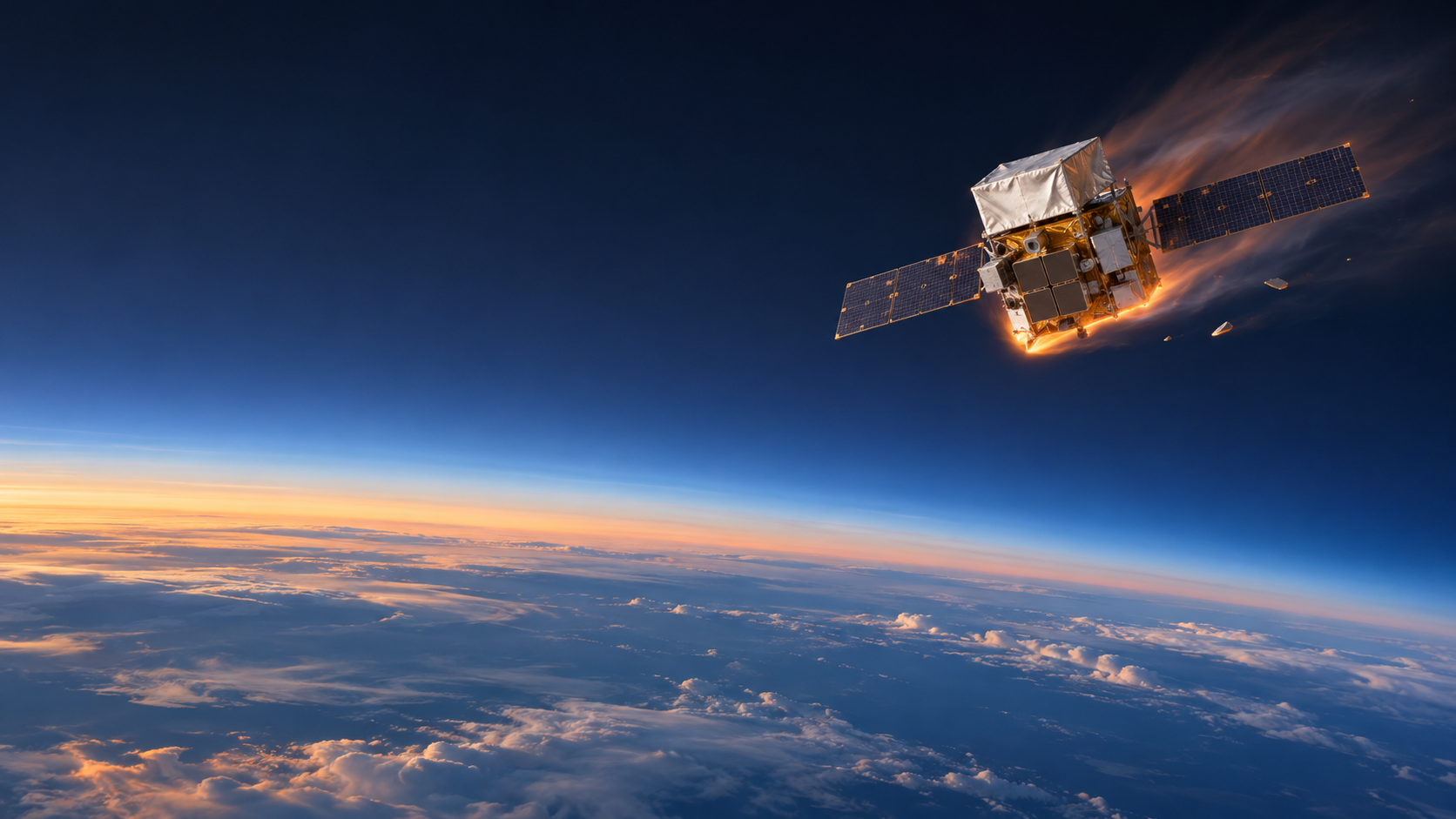
Spacewalkers have reportedly installed the final add-on roll-out solar array planned for the International Space Station (ISS), completing a major stage of the laboratory’s power-generation upgrade.
The new array supplements the station’s original solar panels. It is designed to expand the electricity available for scientific research, life-support equipment, communications, computers, thermal-control systems, and crew operations.
What Happened During the Final Spacewalk?
The reported task involved attaching the final roll-out solar array to the station’s supporting structure and integrating it with the existing electrical system. A roll-out array is stored in a compact configuration during launch, then extended after reaching orbit to provide a larger photovoltaic surface.
The installation required spacewalkers to move and secure hardware outside the station while wearing pressurized suits. They also had to manage structural attachments, electrical interfaces, cables, restraints, and deployment preparations. Flight controllers and engineers monitored the operation from the ground.
The new hardware does not replace the ISS’s original solar arrays. Instead, it adds generating capacity to an aging orbital facility that has operated for years in an environment of radiation, atomic oxygen, temperature changes, and repeated day-night cycles.
Completion of a Multi-Stage Upgrade
The solar-array program was completed in stages rather than through a single replacement campaign. Installing the final array gives the station the full reported configuration planned for the add-on system, subject to final verification and acceptance testing.
The available reports do not confirm the total power increase in kilowatts or megawatts. That figure should be taken from official NASA technical documentation before publication. The broader result is clear: the ISS now has an expanded solar-power system intended to support continued operations.
The Times of India summary describes the installation as the station’s 100th assembly-related operation and identifies the new hardware as its seventh solar array. Those claims require confirmation because the exact definitions of both milestones are unclear. The count may refer to major assembly activities rather than every construction, maintenance, or repair task performed since the station’s development began.
Who Performed the Installation?
The supplied summary names Anil Menon and Joshua Kutryk as the astronauts who installed the reported array. Their mission affiliations, agency roles, nationalities, and spacewalk duration require confirmation through official mission records.
Spacewalk operations typically involve more than the astronauts working outside the station. Crew members inside support procedures and communications, while flight controllers, engineers, and specialists coordinate the timeline, monitor station systems, and respond to technical issues.
How Roll-Out Solar Arrays Support the ISS
Solar cells convert sunlight into direct-current electricity. The station’s power-management system distributes that electricity to onboard systems and charges batteries for periods when the ISS passes through Earth’s shadow.
A typical installation sequence includes:
- Launching the array in a compact configuration.
- Positioning the hardware near its installation site.
- Attaching it to the station’s supporting structure.
- Checking structural and electrical interfaces.
- Deploying or rolling out the array.
- Verifying that it is ready for normal operation.
The combination of solar generation and battery storage allows life support, communications, computers, thermal controls, and experiments to operate continuously throughout each orbit.
Why the Station Needed More Power
Electricity supports nearly every major activity aboard the ISS. Research facilities require power for experiments, sensors, computers, cooling systems, lighting, and communications. The crew also depends on electricity for environmental control, exercise equipment, data networks, safety systems, and routine operations.
Additional generation capacity gives station managers more flexibility when equipment is offline for maintenance or when new systems are added. It does not increase the station’s physical size or crew capacity, but it strengthens the electrical infrastructure supporting the existing laboratory.
The upgrade also demonstrates the value of modular space hardware. Engineers can add new generating surfaces to an operating station instead of replacing its entire power system. This approach is important for long-duration orbital facilities that must remain useful while components age.
Significance for Future Space Infrastructure
The completed installation is both an engineering achievement and a milestone in the ISS’s long construction history. The station has been assembled, repaired, and upgraded through repeated launches, robotic operations, and spacewalks over several decades.
Its solar-array program illustrates how long-lived spacecraft can evolve after initial assembly. Attachment points, accessible interfaces, and expandable power systems can help future commercial and government stations accommodate new demands without requiring complete reconstruction.
Facts to Verify Before Publication
Editors should confirm:
- The official date of the final solar-array installation.
- The astronauts’ names, agencies, nationalities, and mission affiliations.
- Whether the array was the seventh total solar array or the seventh add-on array.
- The array’s model, dimensions, deployment method, and electrical output.
- The exact meaning of the reported 100th assembly-related operation.
- Whether deployment and final acceptance testing were completed.
The supplied Google News links are aggregators. Direct NASA or publisher URLs should replace them where possible. Unrelated sports and racing entries should be excluded.
Conclusion
Spacewalkers have reportedly installed the final add-on roll-out solar array for the International Space Station, completing a major stage of its planned power upgrade. The array supplements the station’s existing panels and expands the electricity available for research, crew systems, communications, thermal regulation, and other operations.
The installation shows how complex orbital infrastructure can be upgraded in stages while continuing to support people and research. Reliable power remains essential for sustained human activity in orbit, and the completed solar-array program strengthens that foundation for the ISS’s continuing mission.
Frequently Asked Questions
What did the spacewalkers install?
They reportedly installed the final add-on roll-out solar array, expanding the ISS’s solar-power generation system.
Why does the ISS need additional solar arrays?
Additional arrays provide more electricity for research, life support, communications, computers, thermal-control systems, and other station operations.
How many solar arrays does the upgraded station have?
The supplied summary describes the new hardware as the station’s seventh solar array. Whether this means the seventh total array or the seventh add-on array requires official confirmation.
What is a roll-out solar array?
It is a photovoltaic system stored compactly during launch and extended after installation in space. The design allows spacecraft to add generating capacity without launching a fully expanded panel.
What does the upgrade mean for the ISS?
It provides additional power-generation capacity and greater operational flexibility for research, crew systems, equipment, communications, and long-term station operations.