Oregon Man Regrets Children He Could Not Save
Oregon Man Regrets Children He Could Not Save
Content note: This article discusses a school shooting, the deaths of children, and the emotional aftermath of violence.
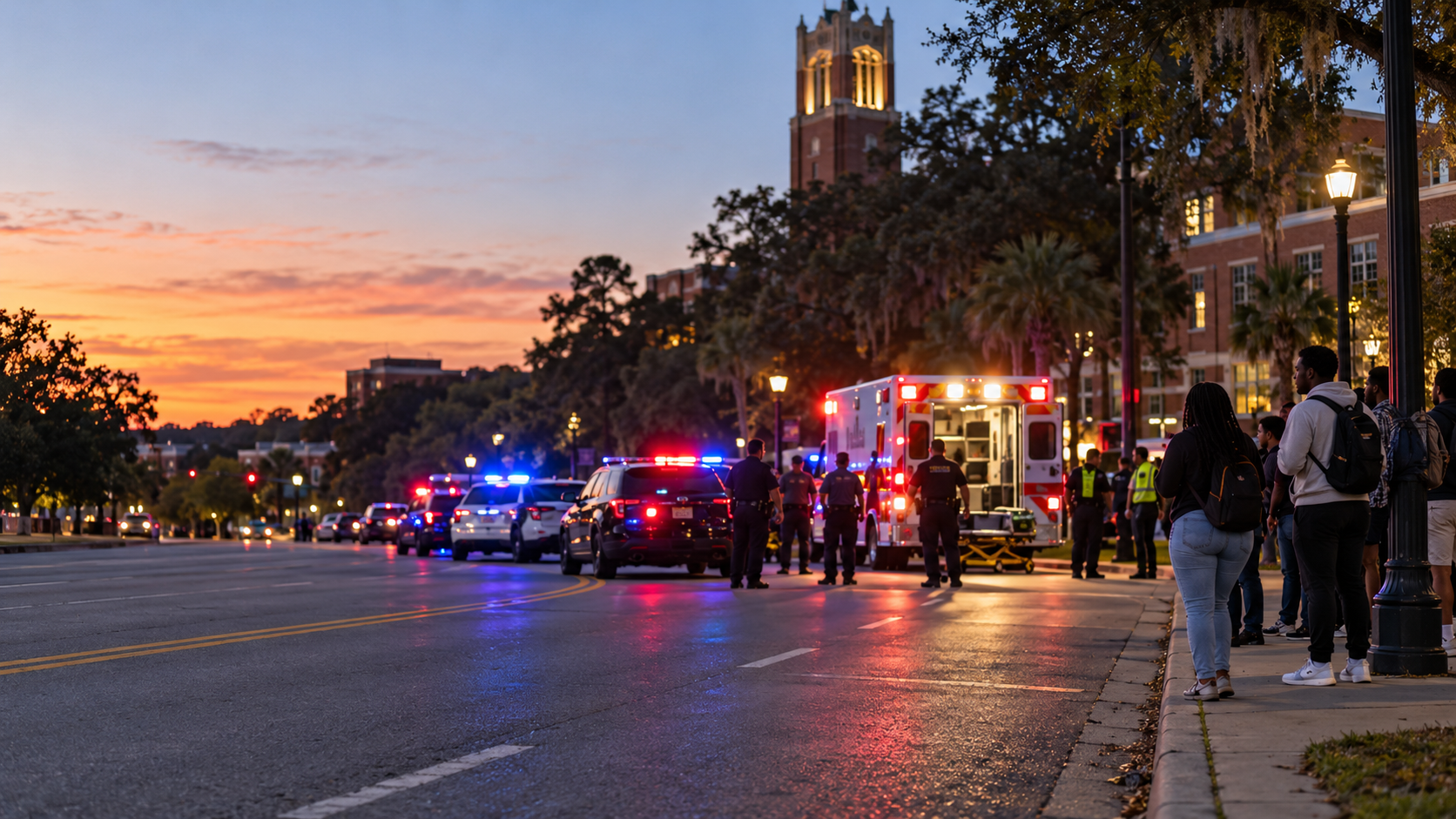
An Oregon man who reportedly killed a school shooter has spoken about the children he could not save, expressing grief despite having ended the immediate threat. His reflections focus less on public praise than on the lives lost during the attack.
The available reporting provides limited verified information. It identifies the man as an Oregon resident who killed the person responsible for the shooting and later discussed his remorse over children who died. The reports do not establish the school’s name, the identities of those involved, the date or location of the attack, the number of victims, or the precise circumstances of the confrontation. Source 1
What the Reporting Establishes
The supplied reports state that the Oregon man killed the person responsible for a school shooting and ended the immediate threat. They also say that children were among those he could not save and that he has expressed regret over the deaths. Source 3
The sources do not provide enough information to reconstruct the confrontation. They do not confirm the weapon used, the sequence of events, the man’s role before the confrontation, or whether authorities have released further details.
They also do not establish the number of people killed or injured. Those figures should be added only after confirmation from official records or reliable, detailed reporting.
“There Were Ones I Didn’t Save”
The reports describe the man’s regret as grief over children who died during the attack. One summary frames his reflection around the thought that “there were ones” he did not save, while other reports describe his remorse over the children among those killed. Source 5
His sorrow should not be confused with responsibility for the attack. The shooter bears responsibility for initiating the violence. The man’s regret concerns the limits of what he could do during an unfolding emergency.
Stopping an attacker and mourning those who died can coexist. A person may act to protect others and still question whether another decision might have changed the outcome. Such questions do not prove that he made a mistake; they show how traumatic events can remain unresolved for survivors and witnesses.
The available reporting does not diagnose the man or establish that he has a particular mental-health condition. The term “survivor’s guilt” should therefore be used carefully. It is a general description of distress or self-blame, not a diagnosis of this individual.
The Victims and the Wider Community
The available sources do not identify the victims, provide their ages, or give a casualty count. Publishing names, photographs, or family details without reliable confirmation could compound the harm.
A school shooting affects families, classmates, educators, first responders, medical workers, and the wider community. Survivors may struggle with returning to school, entering classrooms, hearing alarms, or being separated from loved ones. The effects may emerge immediately or much later, particularly when anniversaries or renewed coverage revive memories.
No supplied source confirms whether the community held vigils, closed schools, established memorials, or provided counseling. Such details should be added only through authoritative reporting and direct attribution.
Responsible coverage should respect families’ privacy, avoid unnecessary descriptions, and keep attention on the victims rather than glorifying the attacker or turning the incident into an action story.
Understanding the Intervention Without Glorifying Violence
According to the supplied reporting, the man killed the school shooter and stopped the immediate danger. That action matters because it ended an active threat. The sources do not establish whether it prevented a specific number of additional deaths, so that claim should not be made.
The account should not imply that armed intervention is a universal answer to school shootings. Emergencies unfold under unpredictable conditions, and untrained attempts to confront violence can create additional danger.
The relevant facts remain limited: the man intervened, the shooter was killed, and the attack still caused death and trauma. Ending the immediate threat did not restore those who had died or remove the fear experienced by survivors.
What Remains Unverified
The supplied summaries do not establish:
- The date or location of the shooting
- The school’s name
- The man’s identity or age
- The shooter’s identity
- The number of people killed or injured
- The precise circumstances of the confrontation
- Statements from law enforcement, school officials, families, or survivors
- Any later legal, medical, or psychological developments
Repeated headlines do not provide independent confirmation. Multiple summaries describe the same core report, including coverage attributed to the Los Angeles Times. Source 7 Further details require official records or independent, reliable reporting. Source 9
Conclusion
The Oregon man’s reported regret reflects two realities: he killed the school shooter and ended the immediate threat, yet children died and he remains troubled by those he could not save.
The story is not only about confrontation or public praise. It is also about the limits of individual action during a chaotic attack, the grief that follows, and the families whose lives were permanently changed. Accurate reporting requires verified facts, clear attribution, respect for victims, and no speculation about missing details.
Frequently Asked Questions
Who is the Oregon man?
The available summaries identify him only as an Oregon man who killed the school shooter. They do not provide a verified name, age, or further biographical information.
What does he regret?
He reportedly regrets being unable to save some of the children during the attack. His comments express grief over those who died; they do not establish responsibility for the shooting.
Did he stop the school shooting?
The supplied reports state that he killed the shooter, ending the immediate threat. They do not confirm that he prevented a specific number of additional deaths.
How many people were killed or injured?
The supplied summaries do not provide a verified casualty figure. That number should be confirmed through official records or detailed reporting before publication.
What is survivor’s guilt?
Survivor’s guilt describes distress or self-blame that may occur when someone survives a traumatic event while others die. It is a general term, not a diagnosis of this man.
Where can people affected by a school shooting find help?
People can contact local emergency services, qualified mental-health professionals, school counselors, victim-support organizations, and verified crisis services. Publishers should confirm that hotline numbers and regional resources are current before publication.